

Signs of Quality Drinkware: 10 Key Indicators
Quality drinkware is defined by material grade, craftsmanship precision, and measurable performance standards. The signs of quality drinkware go well beyond a polished finish or a high price tag. Premium drinkware features materials like 18/8 stainless steel and lead-free crystal, construction details like smooth rims and pontil marks, and real-world durability you can test at home. Whether you’re buying for daily use or choosing a gift, knowing what to look for separates a piece that lasts decades from one that disappoints in months.
1. What materials signal premium drinkware quality?
Material composition is the single most reliable quality indicator in drinkware. The grade of metal or glass used determines durability, safety, and how well a piece performs over time.
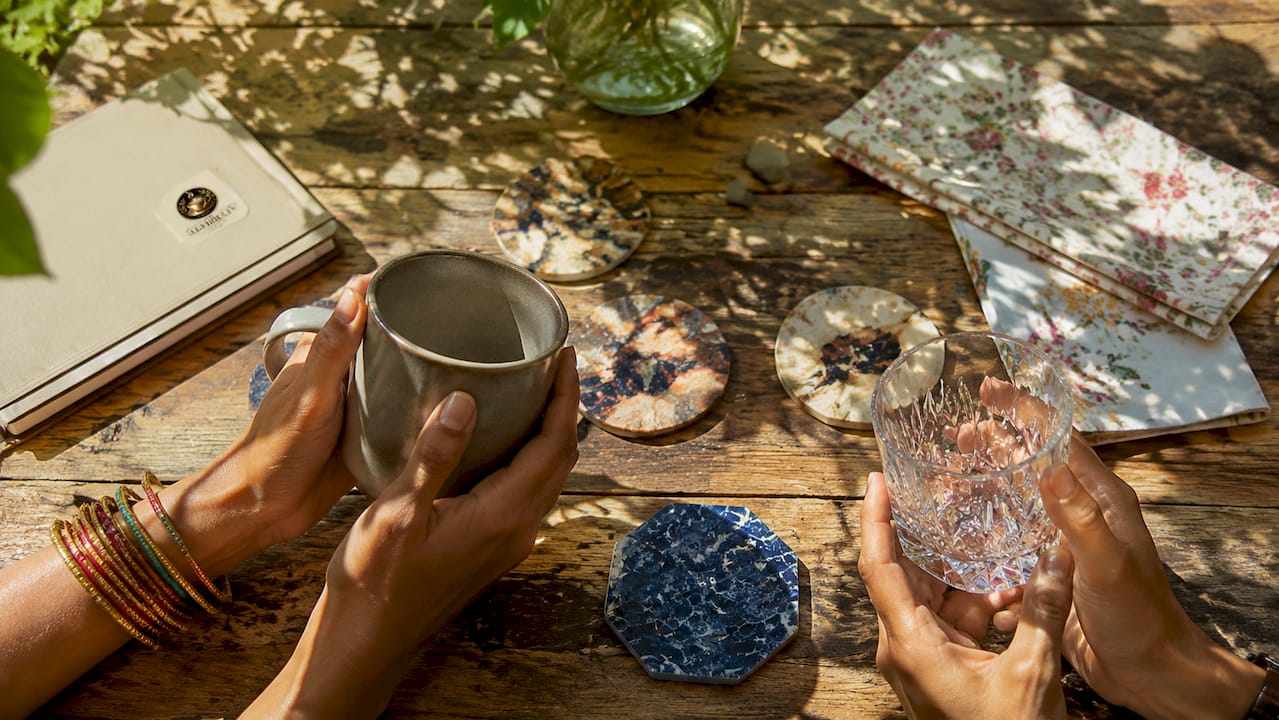
For stainless steel drinkware, the industry standard is 18/8 (304) stainless steel, which contains 18% chromium and 8% nickel for corrosion resistance. High-end double-wall vacuum insulated products built with this grade maintain temperature for 12–24 hours. For medical-grade applications, 316 stainless steel adds molybdenum, making it even more resistant to salt and acids.
Glass drinkware has its own hierarchy of materials:
- Borosilicate glass resists thermal shock, making it ideal for hot and cold beverages without cracking.
- Lead-free crystal delivers the brilliance and thin-walled elegance of traditional crystal without the health risks of lead oxide.
- Tempered soda-lime glass is the most common everyday option, offering decent durability at lower cost.
- Lead crystal produces exceptional sparkle and weight but is increasingly rare due to health concerns around lead content.
Crystal’s mineral content enables sparkle and strength even at thinner walls. That fact contradicts the common assumption that thickness equals quality. A thin-rimmed crystal wine glass is often stronger and more refined than a thick-walled budget alternative.
2. How to evaluate craftsmanship and construction
Craftsmanship is visible in the details most buyers overlook. Knowing what to look for turns a quick inspection into a reliable quality check.
For hand-blown glass, the most definitive sign is a pontil mark. This is a scar or small depression at the base where the glass was detached from the blowpipe. Some makers polish it away, but its presence confirms genuine artisan production. Slight height variations and subtle color shifts across a matching set also signal authentic hand-blown work.
Key craftsmanship indicators to check:
- Rim smoothness: Run a finger around the rim. Any roughness, sharpness, or unevenness signals poor finishing and increases the risk of chipping.
- Seam quality: Machine-made glass should show no large bubbles, rough mold seams, or sharp edges. Irregular large bubbles or rugged seams are signs of low quality regardless of production method.
- Coating adhesion on metal drinkware: Quality powder coatings pass the ASTM D3359 adhesion test, surviving dishwasher cycles without peeling or fading. Inferior spray paint peels quickly and can produce odors.
- Weld integrity: On handled mugs or insulated tumblers, check that welds are smooth and fully fused with no gaps or rough edges.
- Finish uniformity: Color and texture should be consistent across the entire surface. Blotchy or uneven finishes indicate rushed production.
Pro Tip: Hold the piece up to a light source and look through the glass at an angle. Controlled small bubbles or faint ripples are signs of hand-blown authenticity. Large, irregular bubbles or cloudy patches are red flags in any type of glass.
3. Practical tests to verify drinkware quality at home
You can assess most drinkware quality indicators without any tools. These tests take under five minutes and reveal what visual inspection alone cannot.
-
The ring test. Tap the rim of a glass gently with your fingernail. High-quality glass or crystal produces a clear, sustained ringing tone. A dull thud indicates lower density and weaker material composition. This test works on wine glasses, tumblers, and crystal pieces alike.
-
The touch test for insulation. Fill a vacuum-insulated stainless steel piece with boiling water. After 3–5 minutes, place your palm on the exterior. If the outside feels hot, the vacuum seal has failed due to micro-cracks or thermal bridges. The exterior of a properly insulated piece stays at room temperature.
-
The visual clarity check. Hold a glass up to a white background or window. Premium glass is clear and free of cloudiness, waves, or distortion. Waves in the glass wall indicate uneven thickness, which weakens the piece and distorts the view of your drink.
-
The balance and weight test. Hold the piece in one hand as you would when drinking. Quality drinkware feels balanced, not top-heavy or awkward. Ease of one-handed use and grip comfort are primary indicators of thoughtful design.
-
The scratch resistance check. Drag a fingernail lightly across the surface of a coated metal tumbler. Quality coatings show no marks. Inferior finishes scratch easily and degrade quickly with regular use.
Pro Tip: When testing a set of hand-blown glasses, compare two pieces side by side. Slight differences in height or shape confirm authentic craftsmanship. Perfect uniformity across every piece often signals mass production rather than artisan work.
4. Comparing stainless steel, crystal, and hand-blown glass
Each drinkware type carries its own set of quality signs. The right choice depends on how you plan to use it.
| Feature | Stainless steel | Crystal glass | Hand-blown glass |
|---|---|---|---|
| Material grade | 18/8 or 316 stainless | Lead-free mineral crystal | Artisan silica glass |
| Key quality sign | Exterior stays cool with hot liquid | Clear ring tone, rainbow prism effect | Pontil mark, subtle shape variation |
| Typical imperfections | Weld lines, coating unevenness | None acceptable | Small bubbles, faint ripples |
| Maintenance | Dishwasher safe if coated correctly | Hand wash recommended | Hand wash only |
| Thermal insulation | Excellent (double-wall vacuum) | None | None |
| Best use case | Daily commute, outdoor use | Formal dining, gifting | Display, special occasions |
Crystal’s thin rims and rainbow prism effect make it the top choice for formal gifting and dining. Stainless steel wins for durability and temperature retention in everyday settings. Hand-blown glass sits in a category of its own: it is chosen for its artisan character and visual uniqueness rather than utility. Understanding the difference between crystal and glass helps you match the right piece to the right occasion.
5. Quality control standards that separate good from great
Serious drinkware manufacturers apply measurable quality benchmarks at every production stage. Knowing these standards helps you ask the right questions before buying.
Premium producers follow Acceptable Quality Level (AQL) standards that allow zero critical defects, a maximum of 2.5 major defects per batch, and up to 4.0 minor imperfections. That level of control means the piece you receive has passed multiple inspection stages. Coatings must survive baking at 200°C without peeling, a benchmark that separates professional-grade finishes from cheap alternatives.
For glass, the absence of sharp mold seams and the presence of consistent wall thickness are the two most visible signs of factory-level quality control. A piece that passes visual, structural, and adhesion tests at the factory level will perform reliably in your home for years.
6. Signs of master crafted glassware vs. mass-produced pieces
The gap between master crafted glassware and factory output is wider than most buyers realize. Knowing the difference protects you from paying artisan prices for machine-made products.
Even high-quality hand-blown glass contains small irregularities. Perfect uniformity is actually a warning sign, not a quality marker. Genuine artisan pieces show controlled imperfections: faint ripples in the glass wall, tiny bubbles trapped during blowing, and slight asymmetry in the base or rim. These features add character and confirm human involvement in the making.
Mass-produced glass, by contrast, is perfectly uniform but often thinner and more brittle than it appears. It lacks the pontil mark and shows no variation across pieces in a set. For luxury glassware care and long-term brilliance, artisan pieces reward proper handling with decades of use.
7. Tips for choosing quality drinkware for gifting and everyday use
The right drinkware choice depends on the context. A gift for a formal dinner host calls for different quality signs than a tumbler for daily commuting.
- For gifting: Prioritize crystal or hand-blown glass with a pontil mark, smooth rim, and clear ring tone. Presentation matters, so look for pieces with consistent finish and no visible seams.
- For daily use: Choose 18/8 stainless steel with a verified vacuum seal and a powder coating that passes the ASTM D3359 standard. Grip comfort and lid security matter more than aesthetics here.
- For display or collecting: Hand-blown glass with visible artisan marks, slight color variation, and unique form adds value over time. These pieces are chosen for visual impact, not thermal performance.
- Budget-conscious buying: Even at lower price points, the ring test and rim smoothness check reveal whether a glass meets basic quality thresholds. Skip pieces with rough seams or cloudy glass regardless of price.
- Care and longevity: Hand wash crystal and hand-blown glass to preserve brilliance and prevent micro-abrasion from dishwasher jets. For ergonomic drinkware selection, balance and grip comfort should factor into every purchase decision.
Pro Tip: When buying a set as a gift, compare two pieces from the same box. Slight natural variation confirms hand-blown authenticity. Identical pieces down to the millimeter suggest machine production.
Key takeaways
Quality drinkware is identified by material grade, craftsmanship details, and measurable performance tests that go far beyond surface appearance.
| Point | Details |
|---|---|
| Material grade matters most | 18/8 stainless steel and lead-free crystal are the benchmarks for premium drinkware. |
| Craftsmanship leaves visible signs | Pontil marks, smooth rims, and controlled imperfections confirm artisan quality in glass. |
| Test before you trust | The ring test and touch test reveal glass density and insulation integrity in minutes. |
| Imperfection signals authenticity | Slight variation in hand-blown sets confirms human craftsmanship; perfect uniformity often signals mass production. |
| Match quality signs to use case | Crystal suits gifting and dining; stainless steel suits daily use; hand-blown glass suits display and collecting. |
What I’ve learned from years of handling premium drinkware
Most buyers focus entirely on how a piece looks on a shelf. That instinct misses the most important quality signals.
The ring test changed how I evaluate glass. A cheap tumbler and a quality crystal glass can look nearly identical in a photo. Tap them both. The crystal sings. The cheap glass thuds. That single test has saved me from more bad purchases than any amount of visual inspection.
The other misconception I see constantly is that thick glass equals strong glass. Crystal proves the opposite. A thin-rimmed lead-free crystal wine glass is structurally superior to a chunky soda-lime tumbler because the mineral content in crystal adds strength at lower wall thickness. Buyers who equate heft with quality are often paying for cheap material, not craftsmanship.
My honest advice: handle the piece before you buy it whenever possible. Check the rim with your fingertip, feel the balance in your hand, and look through the glass at a light source. Those three steps tell you more than any product description. For pieces bought online, the presence of AQL quality certifications and material specifications in the product listing is the next best signal. Vague descriptions like “premium glass” without material grades are a red flag.
— Sharbel
Thegildedcup: curated drinkware built on real quality standards
Thegildedcup specializes in luxury and collectible glassware selected for material integrity, artisan craftsmanship, and lasting elegance.
Every piece in the Thegildedcup collection is chosen against the quality indicators covered here: verified material grades, smooth rim finishing, and construction details that hold up to real use. Whether you’re building a home bar collection or selecting a gift that will be remembered, the collection offers detailed product descriptions and high-quality images that make the quality signs visible before you buy. Browse the full selection at Thegildedcup and find pieces that meet the standards covered in this guide.
FAQ
What is the easiest way to test glass drinkware quality?
Tap the rim gently with your fingernail. High-quality glass or crystal produces a clear, sustained ringing tone, while low-quality glass produces a dull thud.
How do I know if a vacuum-insulated tumbler is working correctly?
Fill it with boiling water and place your palm on the exterior after 3–5 minutes. If the outside feels hot, the vacuum seal has failed and the insulation is compromised.
What is a pontil mark and why does it matter?
A pontil mark is a scar or depression at the base of a glass where it was detached from the blowpipe during hand-blowing. Its presence confirms genuine artisan production.
Is thick glass always higher quality than thin glass?
No. Crystal glass achieves superior strength at thinner walls due to its mineral content, making thin-rimmed crystal more refined and often more durable than thick soda-lime glass.
What stainless steel grade should I look for in insulated drinkware?
18/8 (304) stainless steel is the standard for premium insulated drinkware. For higher-end or medical-grade applications, 316 stainless steel offers greater resistance to corrosion and acids.